Flat Roofing
Durable, properly detailed flat roofs for extensions, garages, porches and outbuildings, plus repairs and replacements for failing roofs.
- Free site assessments
- No-obligation quotes
- South West & Central England
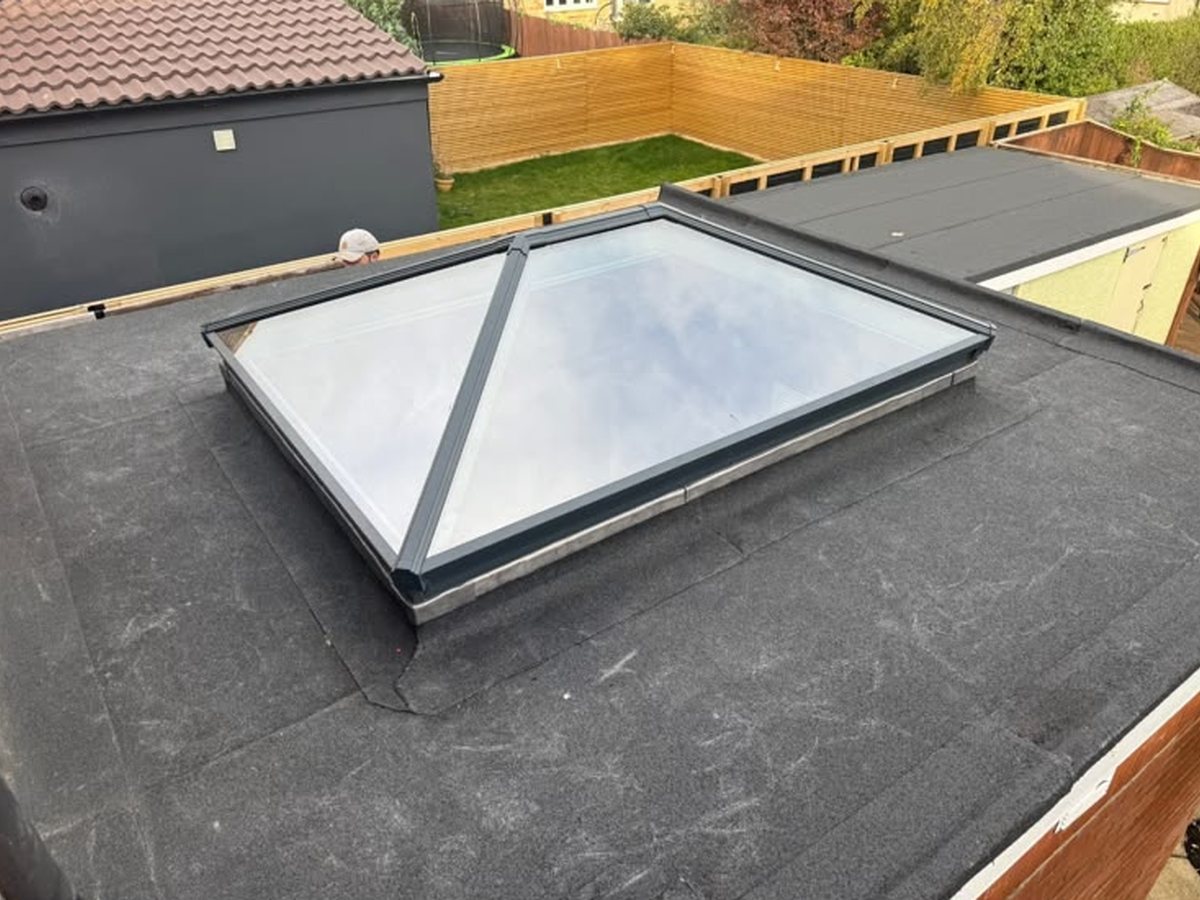
When does a flat roof need replacing?
Flat roofs fail quietly. By the time water shows inside, the boards underneath may already be rotting. Look out for:
Recurring leaks
Leaks that come back after patch repairs.
Cracking or blistering
Splits, bubbles or crazing across the covering.
Standing water
Ponding that sits for days after rain.
Soft or spongy decking
Boards that give underfoot, a sign of rot beneath.
Failed flashings and edges
Lifted trims, upstands or flashings letting water in behind.
Damp and mould inside
Stained ceilings, damaged plaster or mould below the roof.
Wet insulation
Damp insulation that no longer keeps the heat in.
Catch it early
Not every leak needs a new roof. But once water gets under the covering, the decking, joists and insulation start to rot, and a small leak becomes a big repair.
How long does a flat roof last?
These are typical figures, not guarantees. Lifespan depends on the system, the quality of installation, the falls and drainage, and how exposed the roof is.
Built to drain
Flat roofs are laid to a slight fall so rain runs off instead of ponding. For many membrane roofs, NHBC guidance sets a design fall of 1:40 and a minimum finished fall of 1:80. We form the falls in the structure or with tapered insulation.
How we replace a flat roof
-
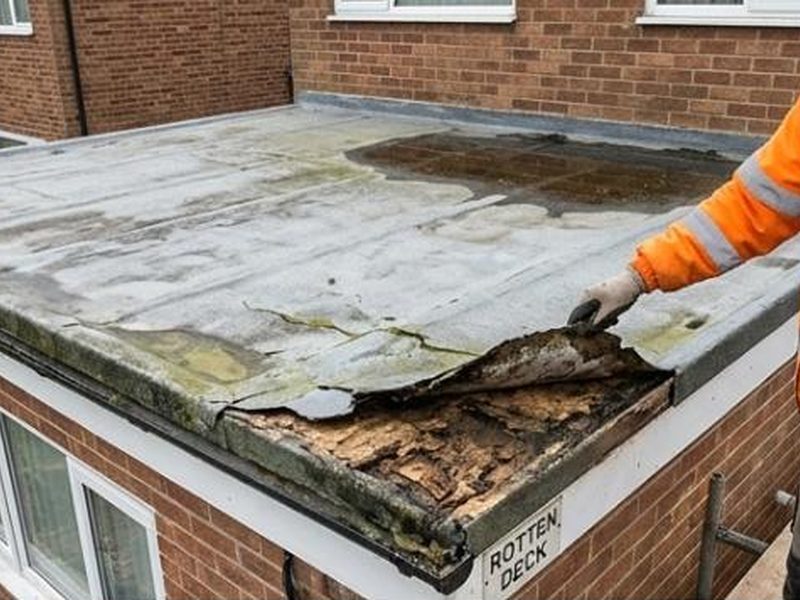 Stage 1
Inspection
We check the covering, decking, joists, drainage and any damp, and tell you whether a repair or full replacement is needed.
-
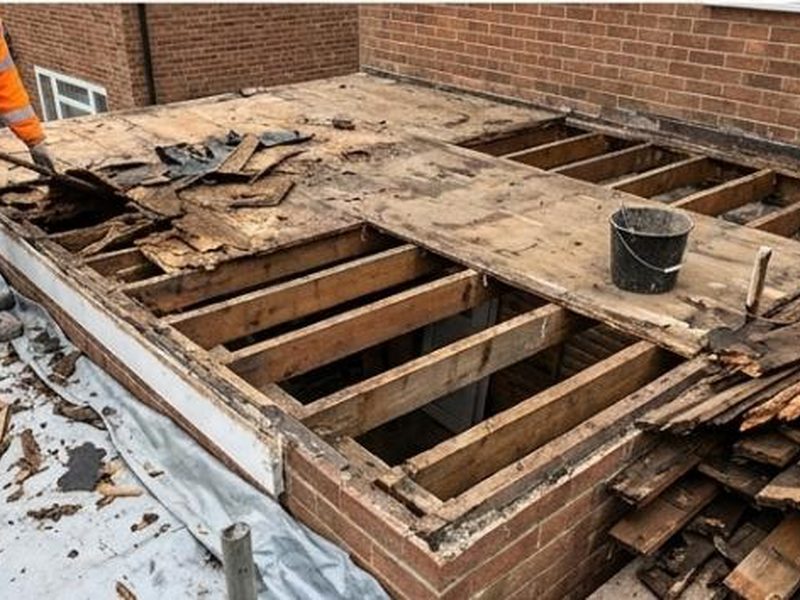 Stage 2
Stripping out
The old felt or membrane, wet insulation and rotten boards are removed, and any decayed joists repaired or replaced.
-
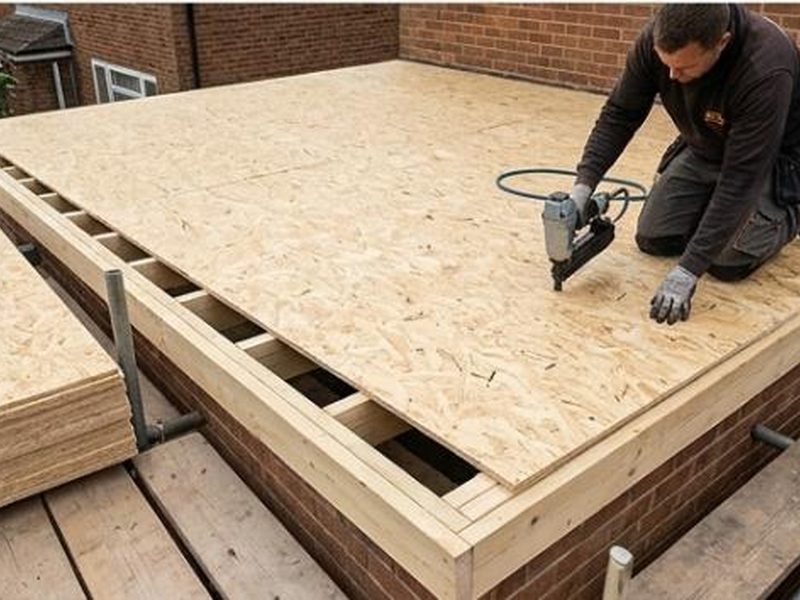 Stage 3
New decking
New roofing-grade OSB3 or exterior plywood decking is fixed down, with allowance for movement.
-
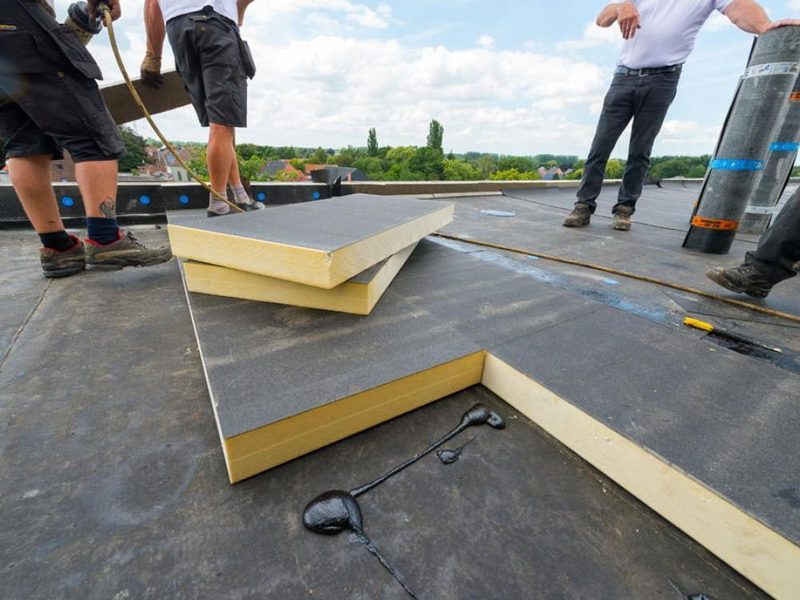 Stage 4
Insulation and falls
A vapour control layer and insulation go down, usually as a warm roof, with falls formed to carry water to the outlets.
-
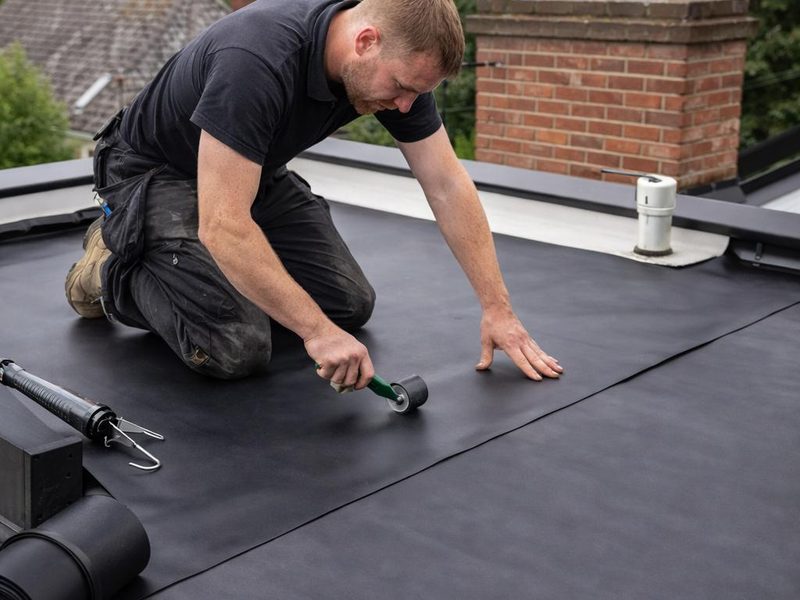 Stage 5
Waterproof membrane
The new EPDM, GRP or high-performance felt covering is laid, with seams, corners and outlets carefully sealed.
-
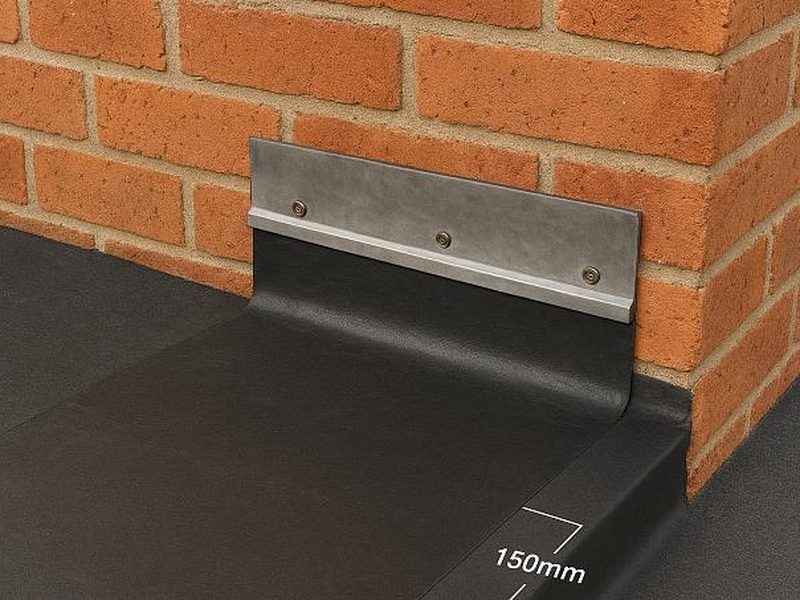 Stage 6
Edges, upstands and checks
Trims, upstands, flashings and outlets are fitted and sealed, then every joint and detail is checked.
Choosing a flat roof system
We install all three main systems and will recommend the best fit for your roof and budget.
| System | Good to know |
|---|---|
| EPDM rubber | A flexible single-sheet membrane with few joints. Typically lasts 30–50 years and suits most homes |
| GRP fibreglass | A tough, seamless resin finish that is good for roofs with foot traffic. Typically lasts 20–30 years or more |
| High-performance felt | Modern reinforced, multi-layer bituminous felt. Typically lasts 20–30 years depending on the specification |
The benefits of a new flat roof
A properly built flat roof protects everything beneath it.
- Watertight protection Keeps rain out of the roof structure and the rooms below.
- No more rotting timber Protects the decking and joists from moisture.
- Warmer and cheaper to heat Modern insulation cuts heat loss and energy bills.
- Better drainage Correct falls stop water ponding on the roof.
- Fewer repair bills New materials and proper detailing mean fewer recurring leaks.
Flat Roofing questions
How long does a flat roof last?
EPDM rubber typically lasts 30–50 years, and GRP fibreglass and high-performance felt 20–30 years or more, depending on installation and exposure.
Which is best: EPDM, GRP or felt?
It depends on the roof. EPDM suits most homes, GRP is good where people walk on the roof, and felt is a cost-effective, proven option. We’ll recommend the best fit.
Can my flat roof be repaired instead of replaced?
Often, yes, if the damage is localised. If water has got under the covering and the decking is soft or rotten, replacement is usually the reliable fix.
Is a flat roof really flat?
No. It’s built with a slight fall so rainwater drains away instead of sitting on the roof.
Flat roof leaking or worn out?
Free site assessments and no-obligation quotes for flat roofing work across Bristol, Somerset, Gloucestershire, Berkshire, Hampshire, Wiltshire, Oxfordshire and Worcestershire. We are happy to talk through projects of any size, from a single repair to a complete new roof.
Free site assessments
No charge, no obligation
We visit, assess and talk you through your options
Where we work
South West and Central England
Eight areas covered, listed below
Areas we cover
Request a free quote
Complete the form below and we will be in touch to arrange your free site assessment.
Enquiry received
Thank you for getting in touch. We will review your details and contact you to arrange your free site assessment and quote.
If you need to speak to us urgently, call 0800 122 3622.